
Milk changes espresso’s flavour by adding creaminess and often softening bitterness. The best choice depends on your coffee and personal taste.
How milk changes espresso flavour
Milk fat, proteins and flavour affect how we perceive body, acidity and bitterness. Temperature and the amount of milk also matter.
Arabica and Robusta with milk
Arabica may offer fruity or floral notes, while Robusta often adds body and bitterness. Both can work in milk drinks. Read our Arabica vs Robusta guide.
Dairy and plant-based alternatives
Whole milk is a classic for cappuccino. Oat, soy and almond drinks add different flavours and textures, depending on the product.
Milk options compared
Whole milk
Creamy and balanced for classic cappuccino.
Oat drink
Mild and often slightly sweet.
Soy drink
Can produce creamy foam.
Almond drink
Adds a distinctive nutty flavour.
Goat milk
A distinctive taste for adventurous drinkers.
How to froth milk
Start with cold milk and a clean steam wand. Avoid overheating. Barista versions of plant-based drinks are often easier to froth.
Find the right coffee
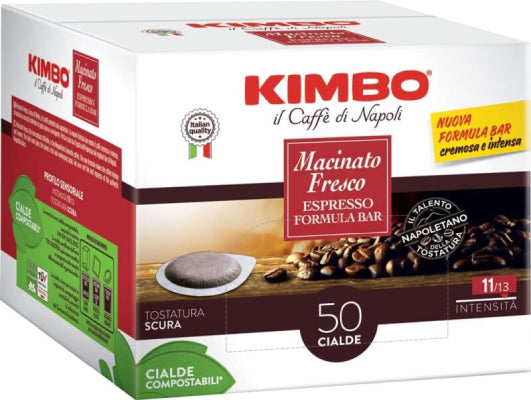
Explore coffee beans, E.S.E. pods and coffee machines. Discover our coffee and dessert pairings.
Frequently asked questions
Which milk is best for cappuccino?
Whole milk or a suitable barista plant-based drink.
Which plant milk froths best?
It depends on the product; barista versions often work well.
Does oat milk work with espresso?
Yes, with many espresso blends.
Does milk reduce caffeine?
No. It dilutes the drink but does not remove the espresso’s caffeine.