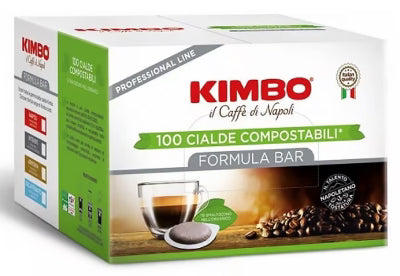

Latte and coffee, as we all know, are a timeless combination. Not only does it add a creamy texture to espresso, but it also transforms the entire taste experience. Today, however, there is a wide range of options available – from different types of coffee to animal-based and plant-based milk alternatives – making it possible to personalize every cup to individual preferences. But which combinations are the best? And why do they work so well? In this article, we will explore the best espresso-milk combinations, based on the particular characteristics of each coffee blend.
Arabica and Robusta: The Starting Point
To better understand how to combine milk with espresso, it all starts with the coffee bean type: Arabica and Robusta. Arabica, with its lively acidity and fruity, floral notes, pairs well with milks that do not overshadow its delicate nature. Robusta, on the other hand, with a fuller body and a slightly bitter, earthy taste, harmonizes better with richer milks that balance the coffee's strength with the sweetness of the milk flavor. If you want to learn more about the differences between Arabica and Robusta, read our detailed article.
Cow's Milk: The Timeless Classic
The classic combination of espresso and cow's milk is the perfect choice for many. Whole milk is often preferred for Arabica espresso, as it adds a creamy note that emphasizes the sweet and fruity nuances of the coffee. Likewise, semi-skimmed milk pairs well with a Robusta blend, as it mellows the coffee's body without overpowering its intense flavor.
Goat's Milk: A Touch of Rusticity
Less common, but definitely worth a try, is the combination of Arabica with goat's milk. This milk has a slightly acidic taste that perfectly matches the natural acidity of Arabica, creating a refined, balanced blend. Goat's milk gives the espresso an unexpected note that is almost rustic, yet elegant at the same time. It is ideal for anyone who wants to discover something new and explore different flavors. Learn more about unusual combinations in our article on coffee and desserts.
Plant-Based Milk: Modern Alternatives
With the increasing demand for lactose-free and vegan options,
plant-based milk varieties are gaining more and more importance in combination with coffee. Among the most popular are almond milk, soy milk, and oat milk. Each of these varieties brings unique properties that change the taste of coffee in different ways.
Arabica & Almond Milk
Almond milk, with its naturally sweet taste, pairs perfectly with an Arabica espresso. The sweetness of the almond not only balances the acidity of the coffee but also highlights the fruity and floral notes of Arabica. The result is a light, fragrant beverage that is particularly well-suited for those who prefer a fine and balanced taste.
Robusta & Soy Milk
Soy milk is known for its rich and creamy consistency, which makes it perfect for combining with Robusta coffee blends. This type of milk adds a creaminess to the espresso that balances the intensity of the Robusta, creating a dense and velvety texture. Furthermore, the neutral taste of soy milk ensures that the coffee's strong character is maintained without being overwhelmed.
Arabica & Oat Milk
Among plant-based milk varieties, oat milk is quickly becoming a favorite for many. Its natural sweetness and creamy consistency make it the perfect complement to Arabica espresso. Oat milk gives the coffee a silky texture and creates a rounded and comforting taste experience. This milk is especially ideal for those looking for a lactose-free alternative without sacrificing quality and taste.
Why Do These Combinations Work?
The combinations described above are no coincidence: each milk reacts differently to the aromas and structure of the espresso, influencing the final taste. A study published in the Journal of Food Science shows that milk proteins buffer the acidity of coffee, which mutes harsh notes and makes beverages sweeter and creamier. Fattier milks, such as whole milk or soy milk, therefore harmonize excellently with strong coffees like Robusta, while lighter milks, such as almond or oat milk, emphasize the nuances of Arabica.
Conclusion
Ultimately, the choice of the right milk for your espresso depends heavily on your personal preferences and the type of coffee used. While cow's milk offers a classic and versatile option, plant-based alternatives allow for the discovery of new and interesting flavors. The most important thing is to experiment and find the combination that you like best. Interested in delving deeper into the world of coffee? Check out our articles on the history of Caffè Leccese and the history of Neapolitan coffee by Kimbo.
And you, how do you drink your coffee? With or without milk? Let us know in the comments!