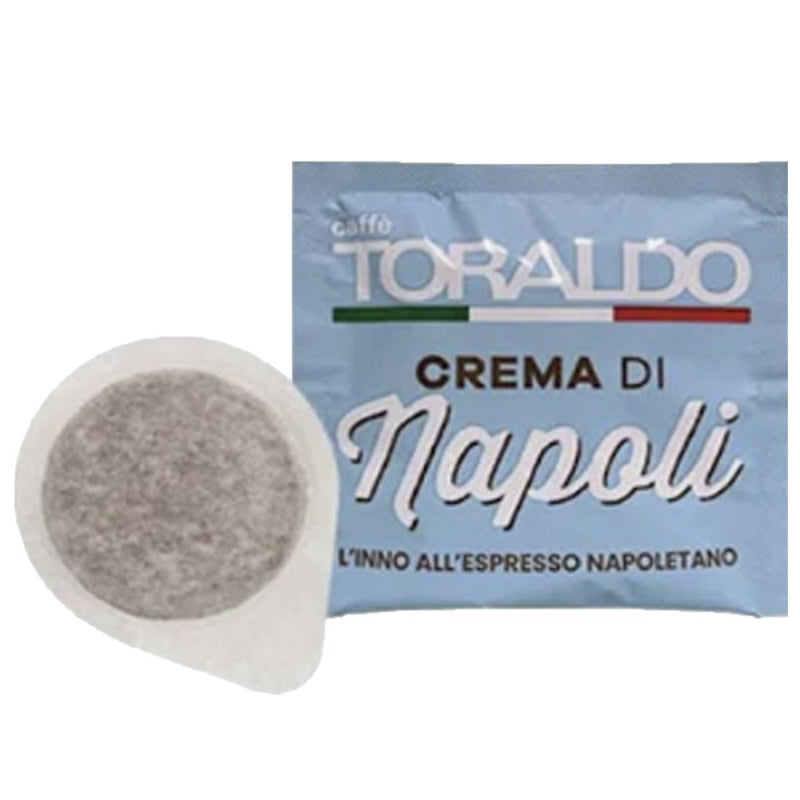

A good cup of coffee is a moment to enjoy. For Earth Day, let’s take a closer look at what we buy, what remains after brewing and where it belongs. With E.S.E. pods, it helps to distinguish the used pod, its wrapper and the disposal route actually available.
When is Earth Day?
Earth Day takes place every year on 22 April. The first event was held in the United States on 22 April 1970. [1]
E.S.E. pods: a format is not an environmental label
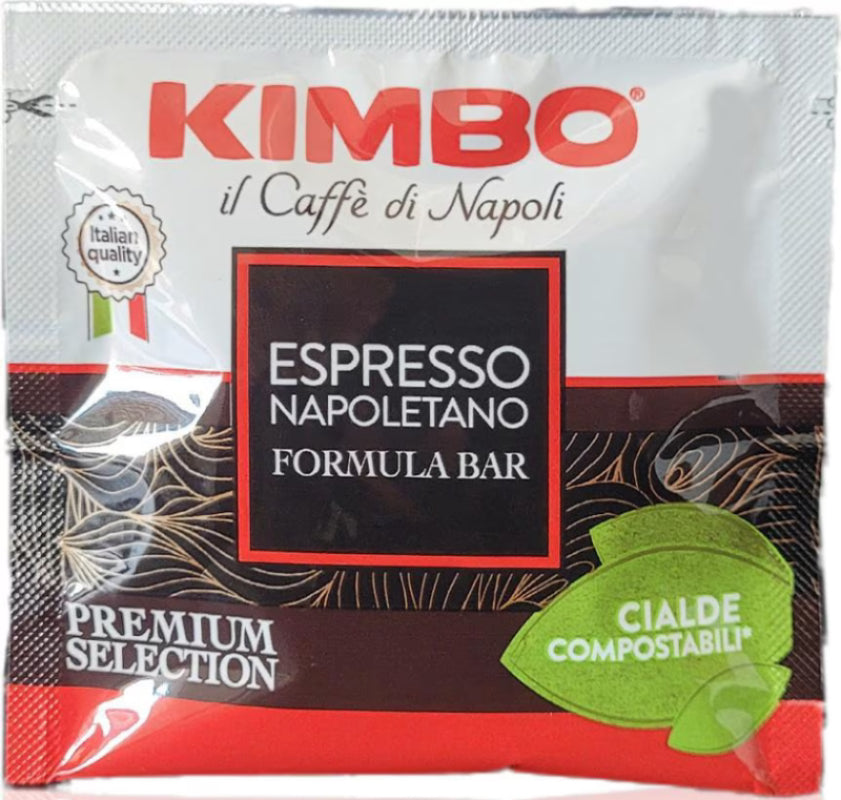
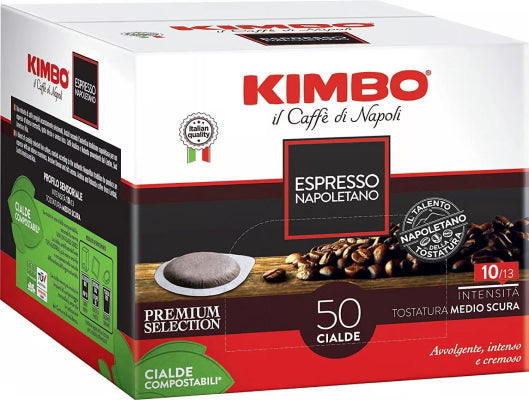
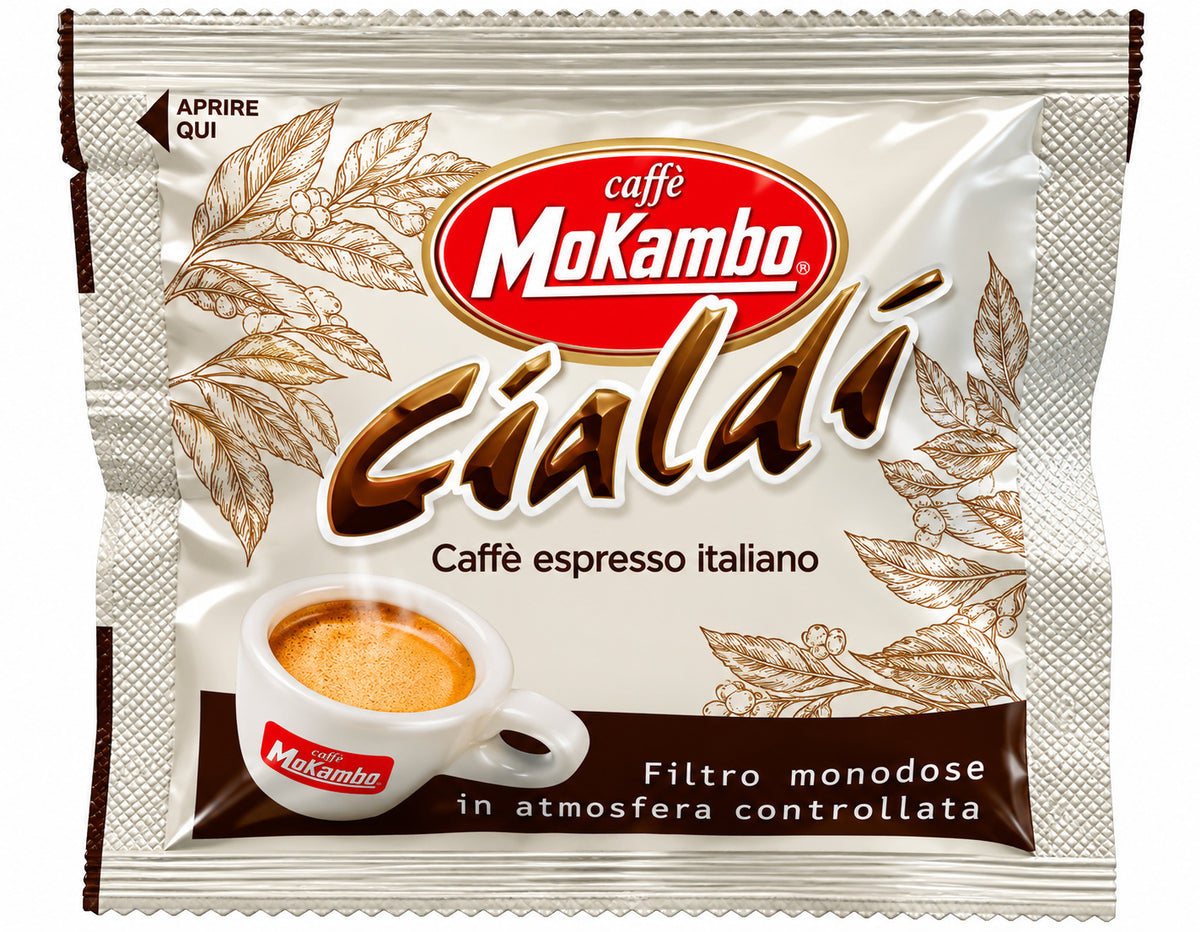
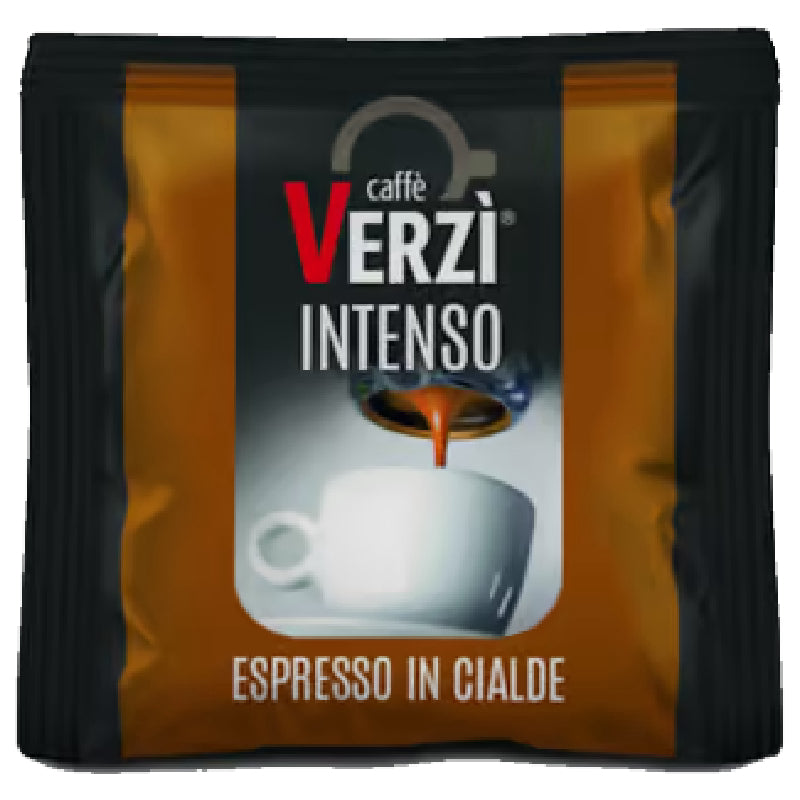
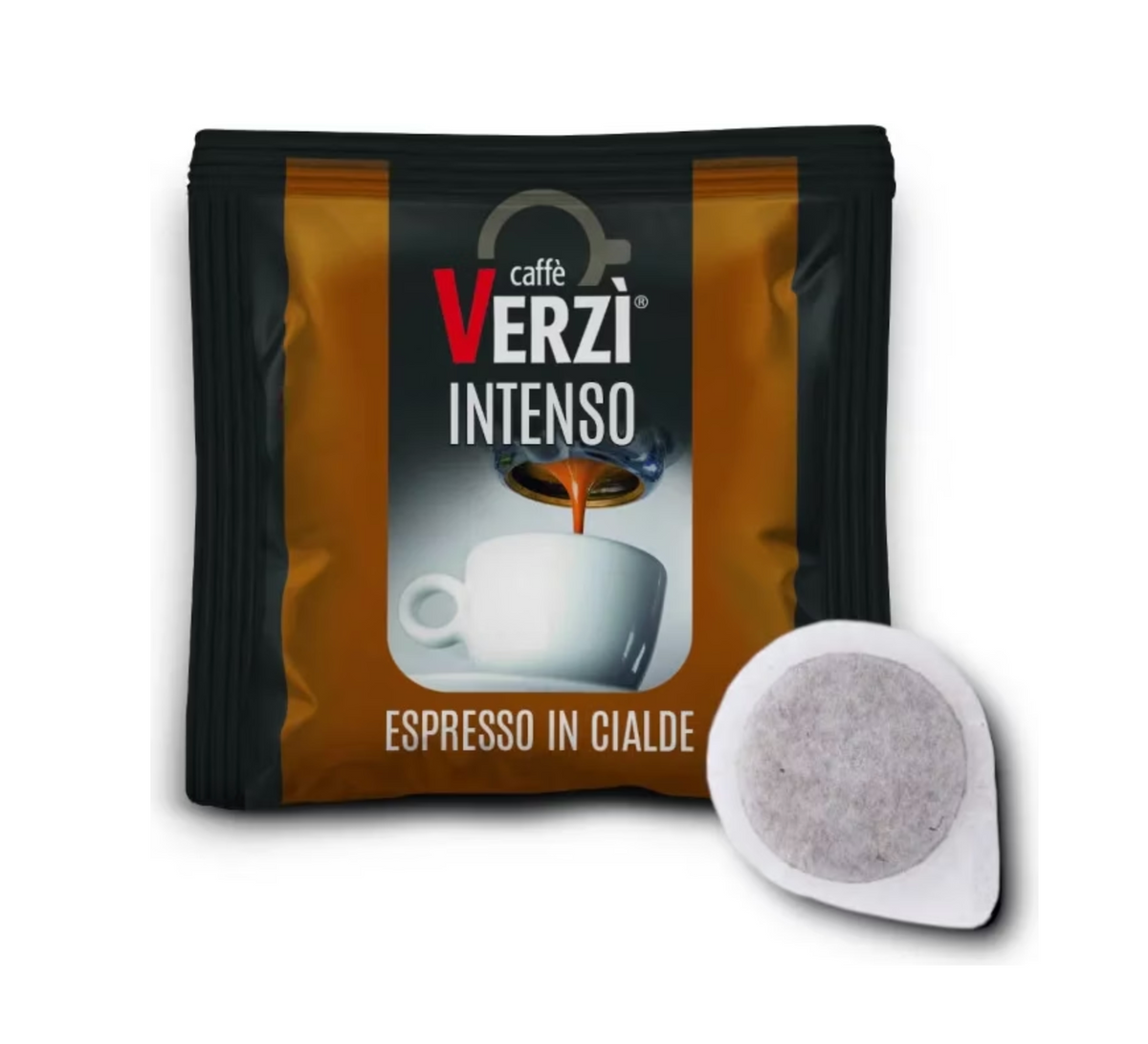
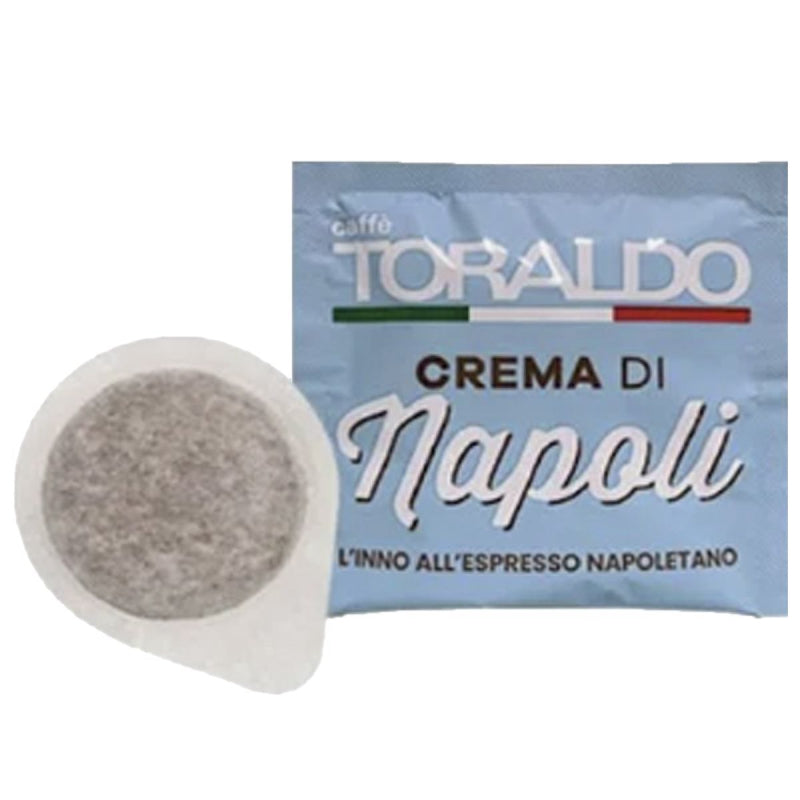
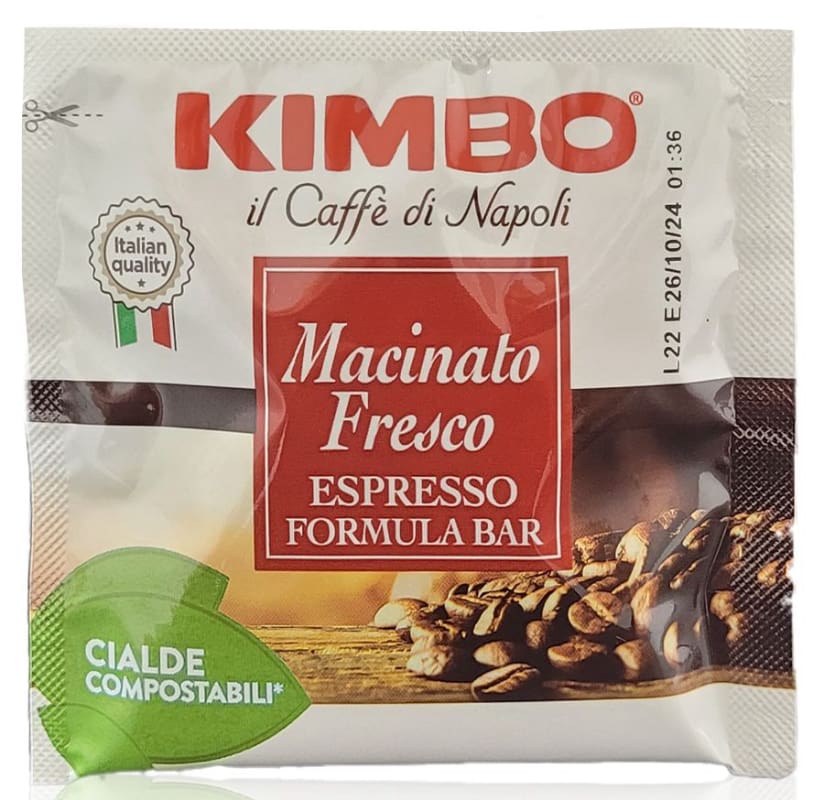
Our 44 mm E.S.E. pods offer a way to prepare portioned coffee. The format alone proves neither compostability nor a lower overall environmental impact. Check the individual product: certification of a used pod does not automatically cover its sealed wrapper or shipping carton.
Compostable: under which conditions?
For biodegradable materials, the treatment environment matters. Switzerland’s FOEN notes that many biodegradable plastics need suitable industrial conditions. “Bio-based” does not automatically mean “biodegradable”. [2]
Industrial and home composting differ. TÜV AUSTRIA distinguishes OK compost INDUSTRIAL from HOME. Check evidence for the intended use: a single decomposition time for every environment would be misleading. [3]
Can coffee pods go in Swiss organic-waste collections?
Local acceptance rules apply. Swiss Recycle highlights differences between collections. Ask your municipality whether it accepts the specific product; the packet’s wording alone is not enough. [4]
For example, the city of Bern accepts coffee grounds without bags, string or paper, but excludes coffee capsules, including compostable-plastic ones. This is a local rule, not nationwide approval for pods. [5]
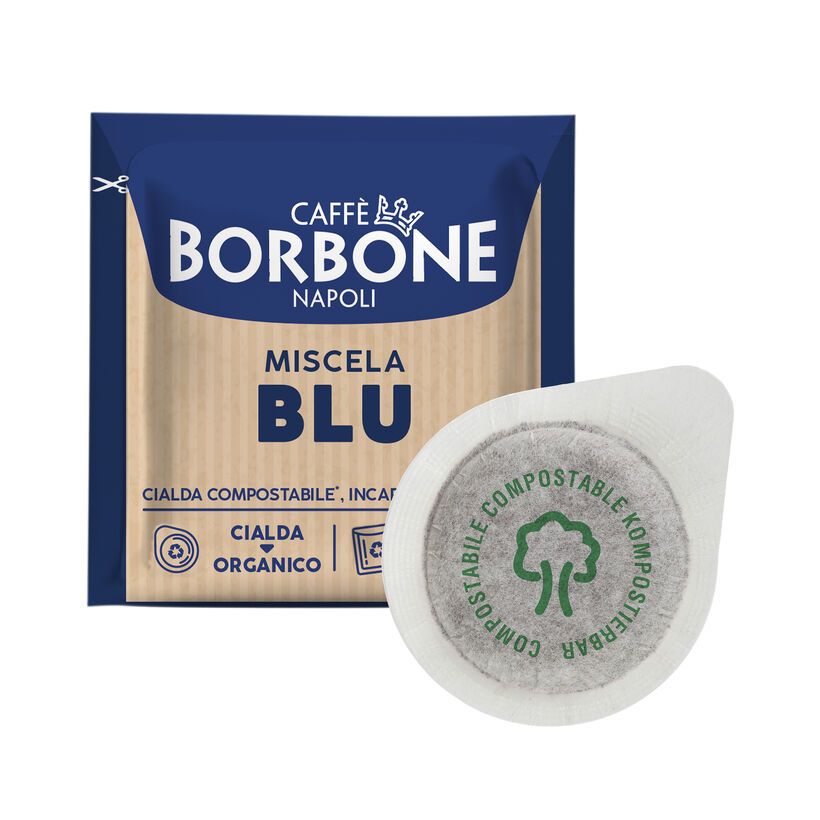
Our tip: separate the wrapper from the pod. If acceptance is unclear, do not put the product in organic waste or the environment just in case. Ask which route to use. Household rubbish collection is not composting.
Are pods always more sustainable than capsules?
The material alone cannot answer that. A 2011 Empa investigation showed how strongly the coffee used can influence the environmental balance. It is not a current ranking of all the products in our range. [6]
A fair comparison would require specific products and the same amount of prepared drink. We therefore do not infer climate neutrality, zero waste or general superiority from “paper” or “compostable”.
Three practical ideas for your coffee break
1. Buy and brew suitable amounts
Consider how much coffee you actually use. Choose an appropriate pack size and start by brewing the amount you intend to drink. Note what regularly goes unused if that helps.
2. Use the machine thoughtfully
Avoid keeping it hot unnecessarily. Use available automatic shut-off functions and switch it off after use according to its instructions. Cantonal energy and environmental services recommend not prolonging its ready-to-brew state unnecessarily. [7]
3. Check evidence, not just slogans
For claims such as “compostable”, “organic” or “fair trade”, ask which product and evidence they refer to. Check separately what your local collection accepts for the pod and its packaging.
Choosing Italian coffee thoughtfully
Explore our E.S.E. pods and whole coffee beans by flavour and brewing method. Our plant-to-cup guide explains coffee processing. These links do not constitute environmental certification of our entire range.
Frequently asked questions about Earth Day, coffee and disposal
When is Earth Day celebrated?
Every year on 22 April; the first Earth Day took place in 1970. [1]
Are all E.S.E. pods compostable?
The E.S.E. format or a paper-like appearance is not enough. Ask for reliable information about the specific pod.
Can a pod advertised as compostable go in organic waste?
Only if the responsible collection accepts that product. Check local instructions. [4]
Does INDUSTRIAL also mean compostable in the garden?
No. Home composting requires the corresponding evidence. [3]
Is the individual wrapper compostable too?
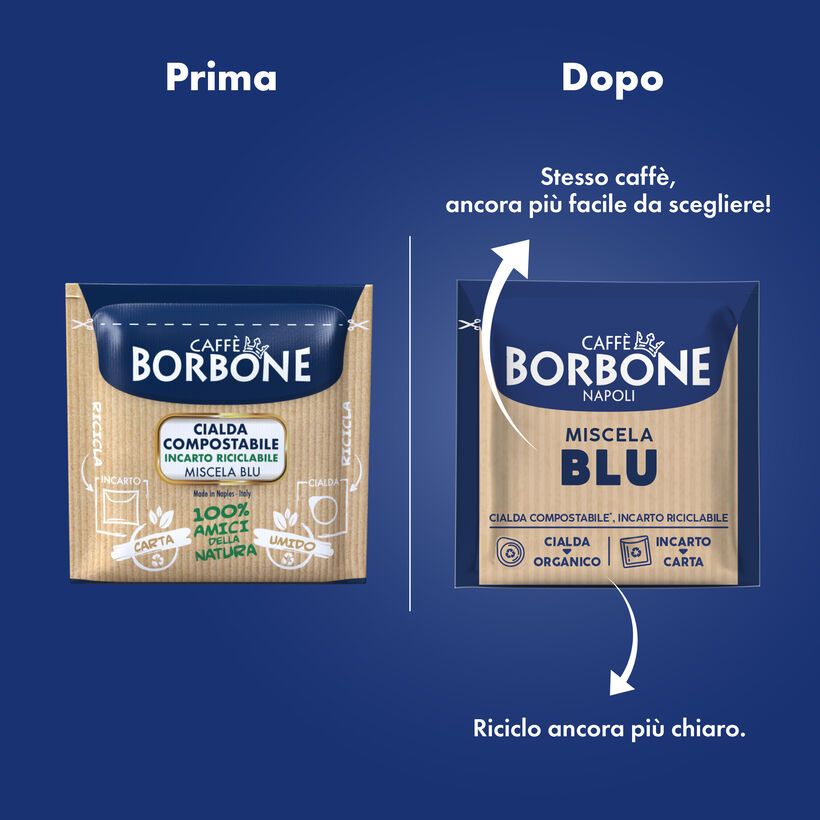
Not automatically. Assess the pod and wrapper separately using their respective information.
Are pods always better for the environment than capsules?
That claim requires a reliable, comparable life-cycle assessment; material alone is not enough. [6]
Conclusion: enjoyment and informed decisions
Earth Day is an invitation to look closer, not a certification. Choose coffee you enjoy, check its product information and dispose of each component according to local arrangements. That turns a general sustainability promise into a practical daily decision.
Sources and context
These sources explain history, materials and disposal; they do not certify our shop’s products. The municipal example applies to Bern, and the Empa publication dates from 2011. Everyday tips are editorial suggestions, not quantified savings claims.
- EARTHDAY.ORG – history of Earth Day
- FOEN – plastics FAQ, section 2.5
- TÜV AUSTRIA – OK compost HOME / INDUSTRIAL
- Swiss Recycle – organic-waste collection
- City of Bern – accepted and excluded organic waste
- Empa – environmental assessment of coffee (2011)
- Cantonal energy and environmental services – coffee machine